TL;DR: Selecting cannabis art for a professional setting is about balance. Thoughtfully chosen pieces can elevate creativity, reflect modern values, and enhance the atmosphere without compromising professionalism.
Cannabis Art: Curating the Mood for Your Office
Before scrolling through galleries or artist portfolios, pause and consider the space itself. What atmosphere should it hold? A contemporary start-up may benefit from energy and visual movement, while a consultancy or wellness-focused business may prefer calm, contemplative imagery. Cannabis art, when chosen with intention, can act as a visual anchor — subtle, botanical, and quietly expressive.
Rather than making a statement purely for shock value, well-curated cannabis art works best when it integrates naturally into the environment, guiding mood and focus with understated elegance.
Palette, Scale and Visual Balance
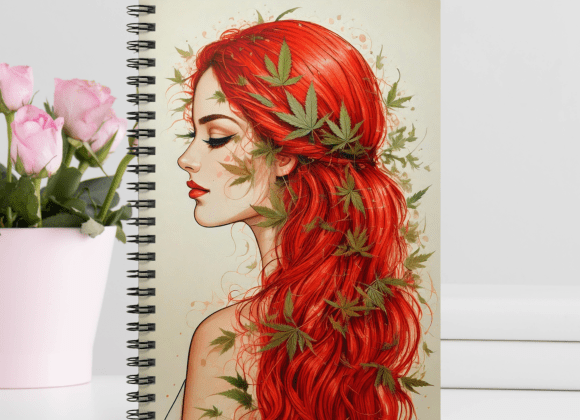
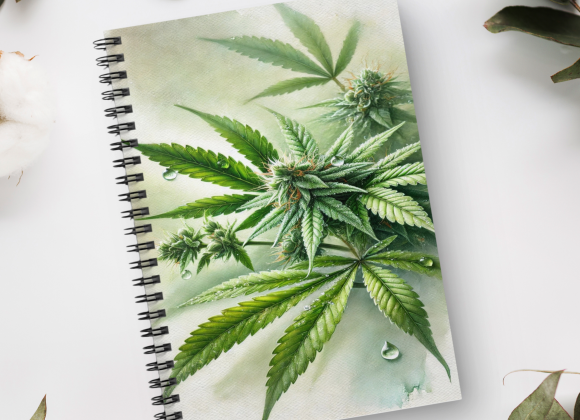
Start with colour. Offices dominated by neutral tones such as whites, greys, or warm beiges offer the perfect backdrop for botanical greens, muted earth tones, or softly abstract interpretations of the cannabis plant. Watercolours, line drawings, and tonal studies tend to feel refined and timeless rather than overt.
Scale is equally important. Larger works can anchor communal spaces such as reception areas or boardrooms, while smaller, cohesive pieces work well in corridors or private offices. Grouped thoughtfully, they can create rhythm without visual clutter.
Above all, consider alignment. Cannabis art often reflects themes of sustainability, creativity, and mindfulness — values increasingly embraced by progressive workplaces. Art that echoes these principles feels intentional rather than decorative.
What Defines Quality Cannabis Art?
Materials matter. Archival-grade paper, museum-quality canvas, or responsibly sourced wood not only ensure longevity but also signal respect for craftsmanship and detail.
Artistic credibility is key. Artists with backgrounds in botanical illustration, fine art, or contemporary abstraction tend to approach the cannabis plant with nuance rather than cliché. Their work often balances scientific accuracy with expressive interpretation.
Narrative depth adds richness. Pieces that reference the plant’s historical, medicinal, or cultural journey — rather than focusing solely on its modern symbolism — invite curiosity and conversation, particularly in professional environments.
Integrating Art with Existing Design
Lighting plays a quiet but powerful role. Natural light enhances the softness of watercolours and pastels, while directional lighting can add drama to bolder or more textural works.
Texture also deserves attention. A smooth, modern interior benefits from contrast — think hand-made paper, natural fibres, or subtle relief details. These tactile elements add warmth without disrupting a clean aesthetic.
In terms of placement, classic design principles still apply. Thoughtful spacing and proportional balance help artwork feel integrated rather than imposed, allowing it to complement architecture and furnishings instead of competing with them.
The Ethical Dimension: Sustainability in Art
As sustainability becomes central to workplace culture, art choices increasingly reflect ethical considerations. Prints created with environmentally conscious inks, frames made from reclaimed or responsibly sourced materials, and artworks incorporating natural or recycled fibres all contribute to a more considered visual environment.
Beyond aesthetics, these choices communicate values — signalling care for craftsmanship, resources, and the broader environmental impact of design decisions.
Practical Steps for Choosing the Right Piece
- Assess the space: Take note of wall dimensions, lighting conditions, and existing décor.
- Define your budget: Cannabis art spans a wide range, from accessible limited editions to original, one-of-a-kind works.
- Research thoughtfully: Explore artists and styles rather than searching by trend alone.
- Visualise placement: Consider how the piece will read from different distances and angles.
- Install with care: Proper framing and secure, level hanging make a noticeable difference in how art is perceived.
Frequently Asked Questions
Can cannabis art feel inappropriate in a corporate environment?
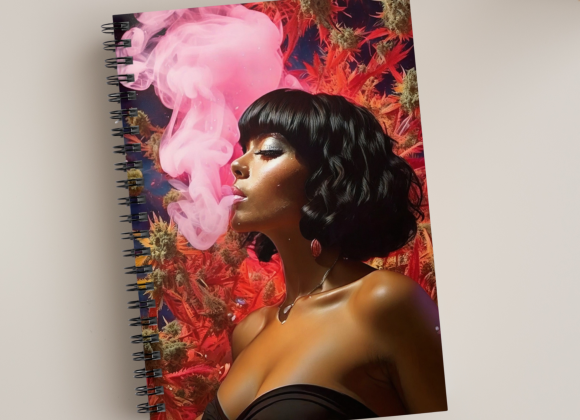
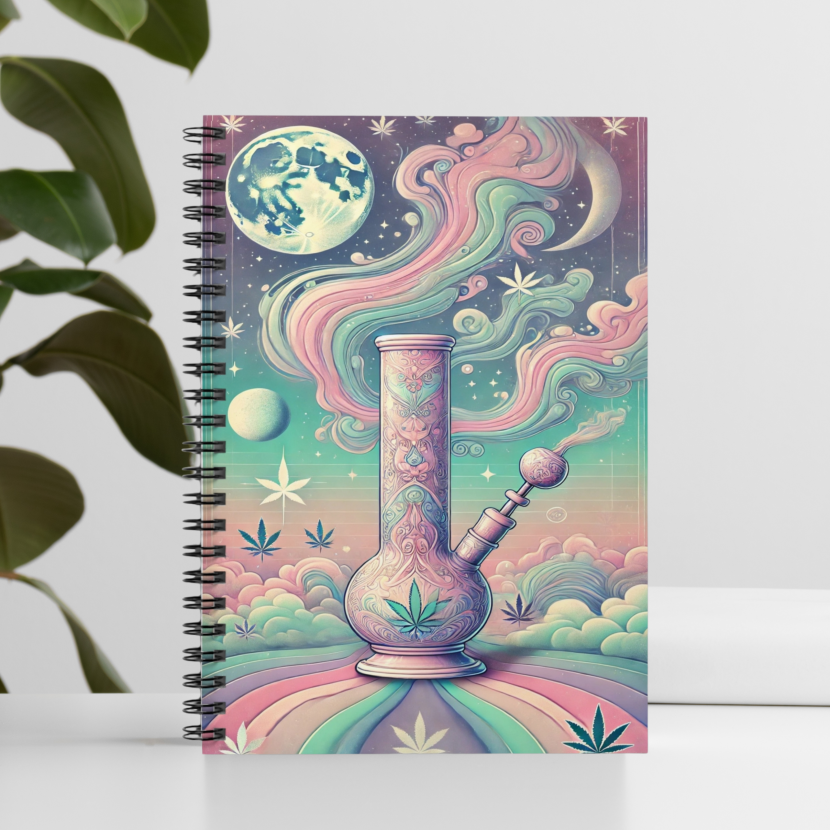
It can, if handled without subtlety. Abstract interpretations, botanical studies, and restrained compositions tend to feel far more professional than literal or graphic imagery.
How should cannabis art be maintained over time?
Avoid prolonged exposure to direct sunlight, dust gently with a soft cloth, and consider UV-protective glazing for framed works to preserve colour and detail.
Is cannabis art suitable for client-facing areas?
Yes, when chosen with discretion. Tasteful pieces often serve as conversation starters and can subtly communicate openness, creativity, and contemporary thinking.
Conclusion: A Thoughtful Approach to Cannabis Art
Choosing cannabis art for your office is less about provocation and more about curation. When guided by quality, balance, and intention, it becomes a powerful design element — one that supports creativity, mindfulness, and visual harmony.
In an era where workspaces increasingly reflect personal and organisational values, cannabis art offers a botanical lens through which modern professionalism can quietly evolve.