TL;DR: Botanical illustration emerged during the Renaissance as a scientific tool, evolved through Romanticism and Art Nouveau, and later influenced modern and surrealist artists. Its blend of precision, symbolism, and quiet beauty makes it especially resonant in contemporary interiors—particularly those informed by cannabis culture, mindfulness, and design.
A Leaf-Lit Legacy: The Roots of Botanical Illustration
When European explorers returned from the Americas, Africa, and Asia with unfamiliar plant species, the need to record and study them sparked a new visual discipline. Early printed herbals such as Herbarius Latinus (1485) relied on simplified woodcuts that prioritised identification over realism. While rudimentary by modern standards, these images laid the groundwork for botanical illustration as a bridge between art and science.
By the 17th century, this bridge became more refined. During the Dutch Golden Age, naturalists and artists began producing illustrations that combined accuracy with aesthetic sensitivity. Maria Sibylla Merian stands out as a pioneer. Her studies of insects and host plants—based on direct observation rather than inherited theory—documented metamorphosis within living ecosystems. Rather than isolating specimens, Merian presented plants as active participants in nature, foreshadowing later ecological thinking.
In the 18th century, botanical illustration matured into a formal discipline. The establishment of institutions such as the Royal Botanic Gardens, Kew, and the adoption of Carl Linnaeus’s system of binomial nomenclature created a need for consistent, standardised imagery. Publications like Curtis’s Botanical Magazine (founded in 1787) helped codify conventions of scale, colour, and anatomical detail, allowing scientists across continents to identify species with confidence.
Romanticism, Ornament, and the Decorative Turn
The 19th century introduced a more lyrical approach. Botanical illustration retained its scientific function but embraced emotional and decorative qualities. Pierre-Joseph Redouté—often called “the Raphael of flowers”—perfected this balance. His rose and lily studies, published in works such as Les Roses (1817–1824), combined delicate washes with precise structure, appealing equally to botanists and collectors.
This period marked a subtle shift: botanical imagery began moving beyond laboratories and libraries into salons and private homes. Plants were no longer merely catalogued; they were celebrated. Illustration became a means of expressing beauty, refinement, and a growing cultural fascination with nature.
At the turn of the 20th century, Art Nouveau amplified this fascination. Designers drew heavily on botanical forms—curling stems, unfolding petals, and rhythmic leaves—to animate architecture, furniture, and graphic art. While cannabis was not a dominant subject, its palmate leaf shared the same visual language that defined the movement’s organic style.
From Precision to Dream Logic: Botanical Forms in Modern and Surrealist Art
Modernist movements began to question realism itself, and botanical imagery followed suit. Surrealist artists such as Salvador Dalí and Max Ernst adopted the visual clarity of scientific illustration only to subvert it. Familiar plant forms appeared distorted, hybridised, or placed in impossible contexts. This “deceptive clarity” allowed artists to explore the subconscious while maintaining a veneer of natural order.
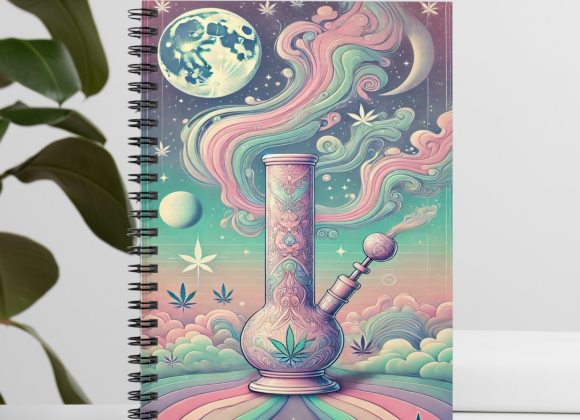
By the late 20th century, cannabis entered visual culture more explicitly. During the countercultural movements of the 1960s and 1970s, the plant appeared in psychedelic posters, album art, and underground comics. Artists were drawn to its instantly recognisable morphology: serrated leaves, radial symmetry, dense flower clusters, and resinous trichomes. These features lent themselves equally to hyper-detailed studies and fantastical reinterpretations.
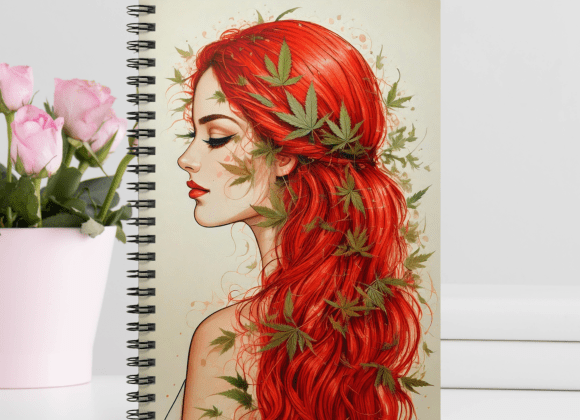
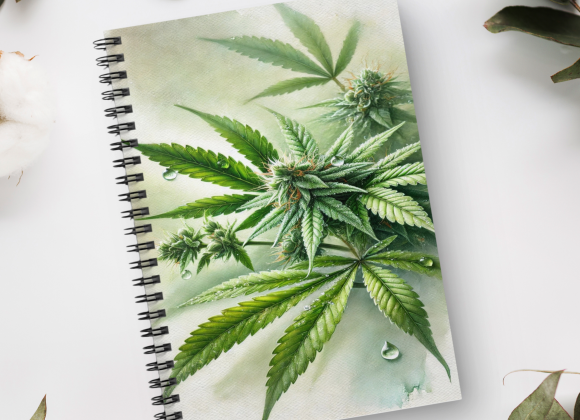
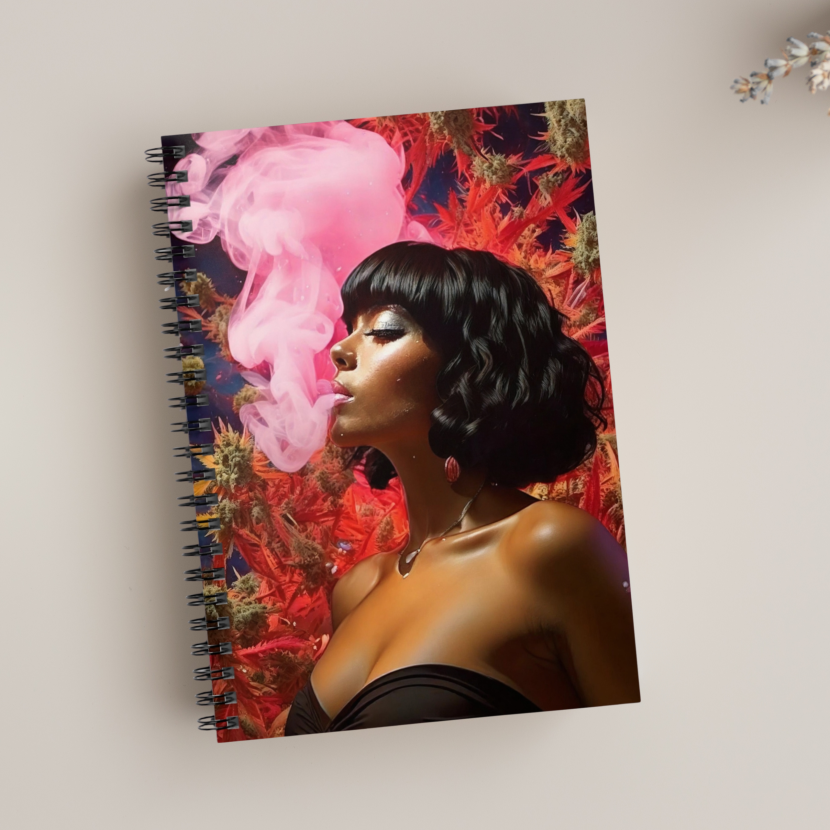
Over time, cannabis imagery has expanded beyond counterculture aesthetics. Contemporary artists increasingly approach the plant as a botanical subject—one worthy of the same scrutiny and reverence once reserved for roses or orchids.
Why Botanical Prints Belong in Contemporary Spaces
Timeless visual calm
The disciplined line work and restrained palettes of traditional botanical illustration bring balance to modern interiors. They offer visual stillness amid the intensity of concrete, glass, and digital life.
Narrative depth
Each illustration carries layers of history—exploration, classification, and cultural symbolism. Displaying botanical art invites conversation about humanity’s evolving relationship with plants, from taxonomy to wellness and ritual.
Mindful engagement
Studying the fine veins of a leaf or the structure of a flower mirrors the slow attention cultivated through mindfulness practices. For many cannabis enthusiasts, this parallels the contemplative aspect of intentional consumption.
Stylistic versatility
Botanical art adapts easily across design styles. Minimalist spaces benefit from monochrome studies, while maximalist interiors can support clustered frames, mixed periods, and varied scales without visual discord.
Curating a Botanical Gallery at Home
Creating a personal collection doesn’t require formal training—only intention. Choose a unifying thread, whether scientific plates, romantic florals, or surreal reinterpretations. Mix eras and media to create dialogue across time. Vary scale so larger illustrations can anchor a room while smaller works reward close inspection. Approach cannabis motifs with restraint, focusing on structure, anatomy, and form rather than novelty imagery to maintain a gallery-grade feel.
Cannabis, Art History, and the Contemporary Home
As cultural attitudes shift, cannabis-focused art is increasingly viewed through a scholarly and aesthetic lens. Museums, galleries, and art publications now explore the plant as both subject and symbol, untangling it from outdated stereotypes and situating it within broader histories of medicine, ritual, and design.
Incorporating botanical and cannabis-inspired artwork into the home reflects this evolution. These images act as quiet ambassadors, encouraging reflection on the plant’s long journey—from ancient herb to modern muse—while contributing to interiors that feel intentional, informed, and thoughtfully curated.
Conclusion
Botanical illustration is more than decorative nostalgia. It represents centuries of observation, curiosity, and creative experimentation. Bringing these works into modern living spaces honours that lineage while fostering environments that feel grounded, contemplative, and culturally aware.
In an age that increasingly values slow living and conscious design, the enduring dialogue between plants, art, and human perception feels more relevant than ever.
FAQs
Q: How can I verify the authenticity or history of a botanical print?
A: Look for information about the original publication, artist, and date. Digital archives from institutions such as the Royal Botanic Gardens, Kew, or major museum collections are reliable reference points.
Q: Can botanical art work in a cannabis-focused interior without feeling novelty-driven?
A: Yes. Prioritise form, texture, and detail. Herbarium-style studies or close examinations of plant anatomy convey sophistication and timelessness.
Q: Where can I see examples of surrealist botanical imagery?
A: Institutions such as the Tate, the Salvador Dalí Museum, and major modern art collections regularly exhibit works that blend natural history with avant-garde approaches.